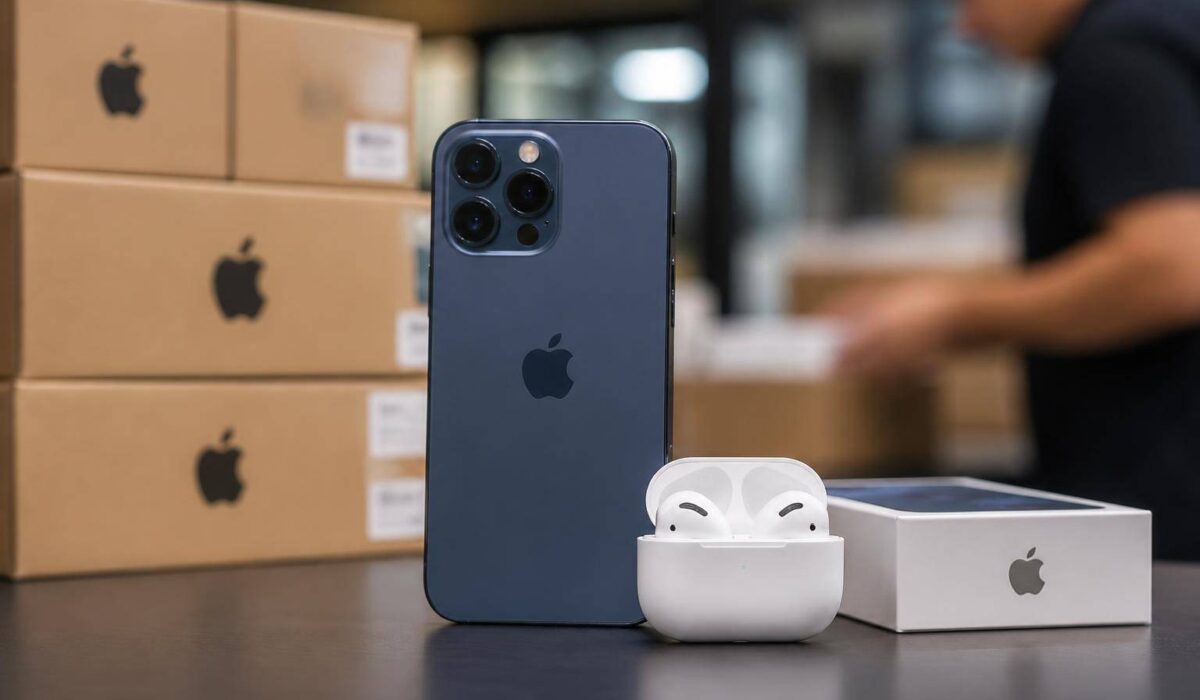
Apple Inc. is bracing for a surge in customer demand during the upcoming September quarter, as indicated by CEO Tim Cook in his recent earnings call. Despite the anticipated high demand, the tech giant faces significant supply chain challenges that may hinder its ability to meet consumer needs. This situation raises important questions about product availability and the overall impact on the market.
During his final earnings call before stepping down, Cook emphasized that the demand for Apple products is expected to exceed the company’s current supply capabilities. This statement reflects a broader trend in the tech industry, where companies are grappling with supply chain disruptions while trying to satisfy increasing consumer interest.
Understanding the Supply Chain Challenges
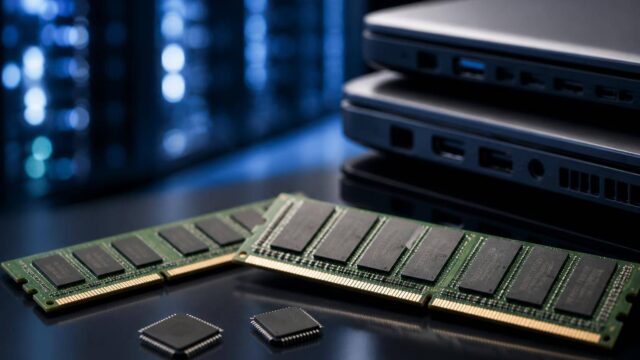
Supply chain issues have become a common theme in various industries, particularly in technology. Factors such as global semiconductor shortages, logistical delays, and increased shipping costs have all contributed to these challenges. For Apple, which relies heavily on a complex global supply chain, these disruptions could lead to delays in product launches and availability.
Implications for Consumers
The anticipated supply constraints may have several implications for Apple customers. Consumers looking to purchase the latest iPhone or other Apple devices may experience longer wait times or limited availability. This situation could lead to increased competition among buyers, potentially driving up prices in the resale market.
Apple’s Product Lineup for Q3
As Apple prepares for the September quarter, several key products are expected to be in high demand:
- iPhone 15 series
- Apple Watch Series 9
- New MacBook models
- Updated iPads
Each of these products has generated significant consumer interest, which further complicates the supply chain situation. The launch of new devices typically sees a spike in demand, and Apple is well aware of the potential challenges ahead.
Market Reactions and Investor Sentiment
Investor sentiment surrounding Apple has been closely tied to its ability to navigate these supply chain issues. As demand continues to rise, investors are keenly observing how the company manages its inventory and production schedules. Tim Cook’s acknowledgment of these challenges during the earnings call indicates transparency and a proactive approach to potential market fluctuations.
Future Outlook for Apple
Looking ahead, Apple will need to adapt its strategies to mitigate the impact of supply chain disruptions. This may involve diversifying its supplier base, investing in local manufacturing, or enhancing logistics capabilities. As the tech landscape evolves, companies like Apple must remain agile to maintain their competitive edge.
In summary, while Apple anticipates strong demand for its products in the upcoming quarter, the supply chain challenges pose significant hurdles. Consumers and investors alike will be watching closely to see how the company navigates this complex situation.