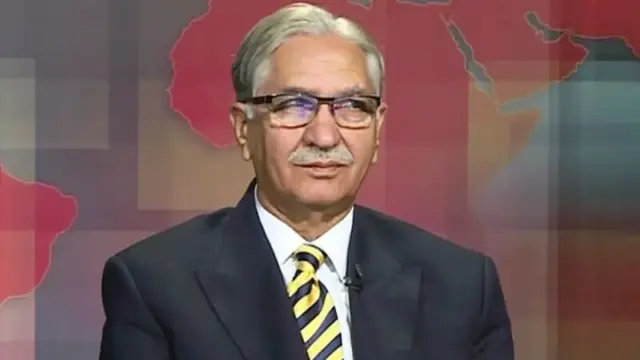
Andy Burnham is on the verge of becoming the next Prime Minister of the United Kingdom, bolstered by the support of the country’s largest union, Unison. This endorsement adds to his already commanding lead in the Labour Party’s leadership contest, following the resignation of Keir Starmer amid internal party pressures and controversies.
The former mayor of Manchester has achieved an impressive 349 nominations from fellow Members of Parliament (MPs), making it nearly impossible for any potential challengers to unseat him. At 56 years old, Burnham is set to replace Starmer, who stepped down after facing significant scrutiny during his two-year leadership.
Unison’s Endorsement
Unison, representing over 1.3 million members, publicly declared its support for Burnham on Tuesday. Linda Hobson, the chairwoman of Unison, emphasized the challenges ahead for Burnham but expressed confidence in his ability to lead, stating, “He is a strong, powerful voice who commands respect.” This backing is a significant boost for Burnham as he seeks to solidify his position within the party.
Path to Leadership
Under Labour Party rules, Burnham must also secure the support of two additional Labour-affiliated organizations to officially become the party leader. The Labour Party currently holds a majority in the House of Commons with 403 MPs out of 650, which means that the new leader is likely to ascend to the role of Prime Minister.
The nominations from MPs are set to close on Wednesday evening, followed by a 24-hour voting period for other affiliated groups, including unions. This voting will conclude at 6 PM UK time on Thursday. A special leadership conference is scheduled for Friday to formally announce the new leader, although specific details remain undisclosed.
Transition to 10 Downing Street
Should Burnham secure the leadership, he will meet with King Charles III to receive the mandate to form a new government. This transition could see him taking office as the seventh Prime Minister of the UK in the last decade. Burnham has expressed gratitude for the support he has received from Labour MPs, stating that he aims to shift power away from Westminster and focus on economic growth that benefits ordinary citizens.
Economic Priorities
As he prepares for potential leadership, Burnham is prioritizing economic growth. Bank of England Governor Andrew Bailey recently advised that the next Prime Minister must focus on stabilizing the economy, which has experienced low growth for nearly two decades. Bailey highlighted that financial stability is crucial for achieving economic growth, especially in light of global challenges such as the US-Iran conflict.
During an online party hustings, Burnham reiterated his commitment to devolving power to local communities and enhancing economic growth across the UK. His focus on these issues reflects a broader desire to address the needs of ordinary citizens and ensure equitable development.
Commitment to Justice
On the same day as his union endorsement, Burnham was expected to appear in Parliament alongside Starmer to celebrate the passage of a new law aimed at preventing cover-ups in public inquiries. This legislation is particularly significant for the families affected by the Hillsborough football stadium disaster in 1989, which resulted in the deaths of 97 individuals.
Burnham, who has a personal connection to the tragedy as a lifelong Everton supporter, has been a vocal advocate for justice for the victims’ families. He expressed his solidarity on social media, stating, “Today belongs to the Hillsborough families. They never gave up.” His commitment to transparency and accountability in public inquiries resonates with many voters who seek justice and reform.
As Burnham moves closer to potentially becoming the UK’s next Prime Minister, his leadership style and priorities will be closely scrutinized. His ability to unite the Labour Party and address pressing economic and social issues will be critical in shaping the future of the UK.