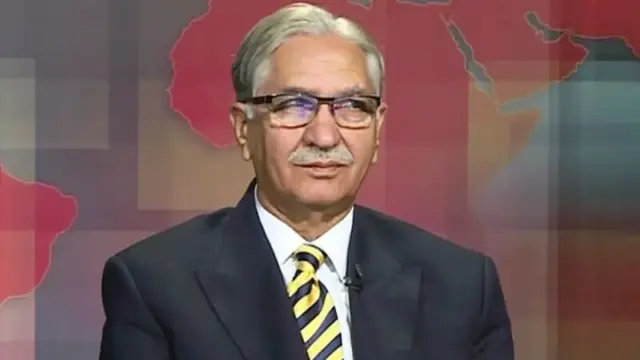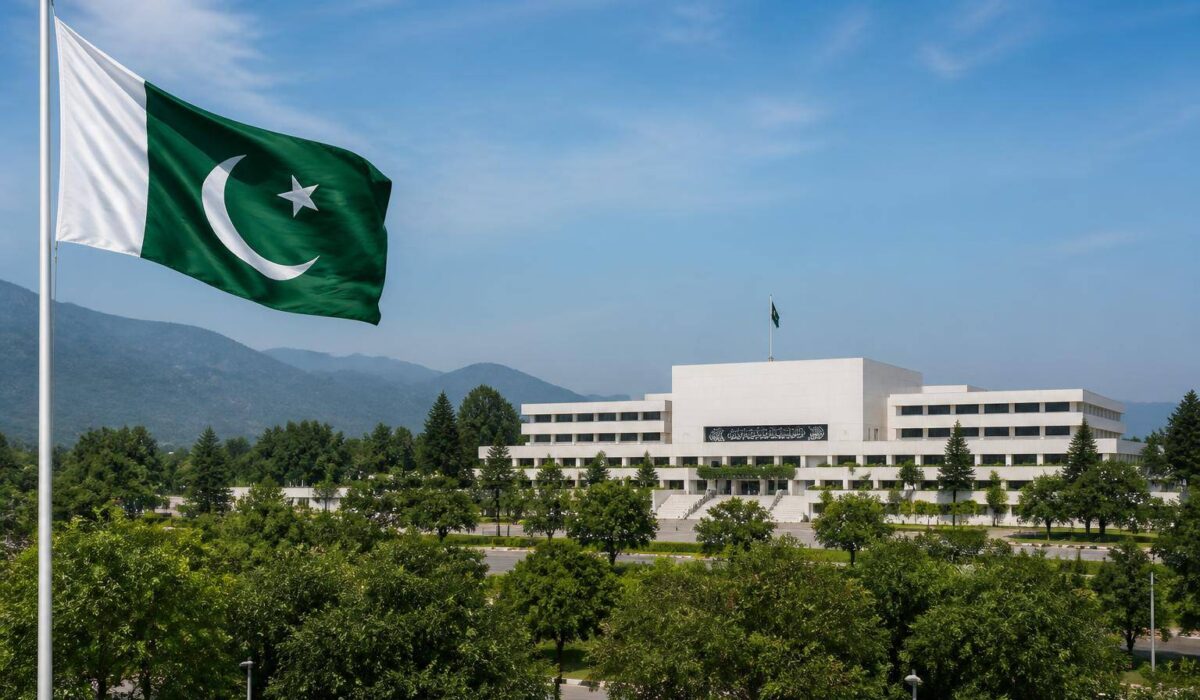
ISLAMABAD – In a recent statement, Defence Minister Khawaja Asif has strongly defended Pakistan’s hybrid governance model, asserting that it is not going anywhere. His remarks follow comments made by Interior Minister Mohsin Naqvi and the military’s spokesperson, which highlighted ongoing governance issues in the country.
Asif emphasized that the hybrid arrangement is designed to tackle past governance failures and is the most practical solution for navigating the political and economic challenges faced by Pakistan, a nation of 250 million people. He dismissed any speculation regarding the potential end of the current system, stating that it remains stable and will continue to function effectively.
Call for Unity Among National Leaders
In his address, Asif called for greater unity among Pakistan’s top leaders, including President Asif Ali Zardari, Prime Minister Shehbaz Sharif, and military chief Field Marshal Syed Asim Munir. He stressed the importance of collective decision-making and national consensus in addressing the country’s major challenges.
Asif’s comments come in the wake of Naqvi’s speech at the Pakistan Economic Summit, where he pointed out the collapse of the existing governance structure and called for significant administrative reforms. Naqvi suggested the creation of new provinces or administrative units, warning that without fundamental changes, Pakistan would continue to face persistent issues for years to come.
Military’s Position on Governance
The debate surrounding governance was further fueled by remarks from ISPR Director General Lt Gen Ahmed Sharif Chaudhry, who emphasized the necessity of good governance for Pakistan’s security. He indicated that unresolved national issues highlight the need for stronger governance and improved institutional performance.
In response to these developments, Khawaja Asif differentiated between Naqvi’s personal opinions and the military’s stance. He noted that while he agrees with the need for improved governance as articulated by the DG ISPR, Naqvi’s comments reflect a political dimension and are not representative of the government’s official position.
Critique of the Current System
Asif pointed out that Naqvi has been part of the current governance system for the past three and a half years, suggesting that his recent criticisms may be inconsistent with his previous support for the system. Furthermore, he reiterated that the military spokesperson clarified that Naqvi’s remarks were made in a personal capacity.
The recent exchange of statements among the interior minister, the military spokesperson, and the defence minister has reignited discussions about governance and institutional reforms in Pakistan. This dialogue is crucial as the nation grapples with long-standing political and administrative challenges.
Implications for Pakistan’s Future
The ongoing discourse about governance in Pakistan raises important questions about the future direction of the country. As the leadership navigates these challenges, the emphasis on unity and collective decision-making becomes increasingly vital. The current hybrid governance model may face scrutiny, but Asif’s defense suggests a commitment to maintaining stability in the face of criticism.
Key Points from Recent Statements
- Khawaja Asif defends the hybrid governance model as stable and necessary.
- Calls for unity among top leaders to address national challenges.
- Interior Minister Naqvi advocates for significant administrative reforms.
- ISPR DG stresses the need for good governance for national security.
- Asif distinguishes between personal opinions and official military positions.
The ongoing debate over governance in Pakistan is crucial for understanding how the country will address its political and administrative challenges moving forward. As leaders engage in discussions about the future, the hybrid governance model will likely remain a focal point in shaping Pakistan’s political landscape.