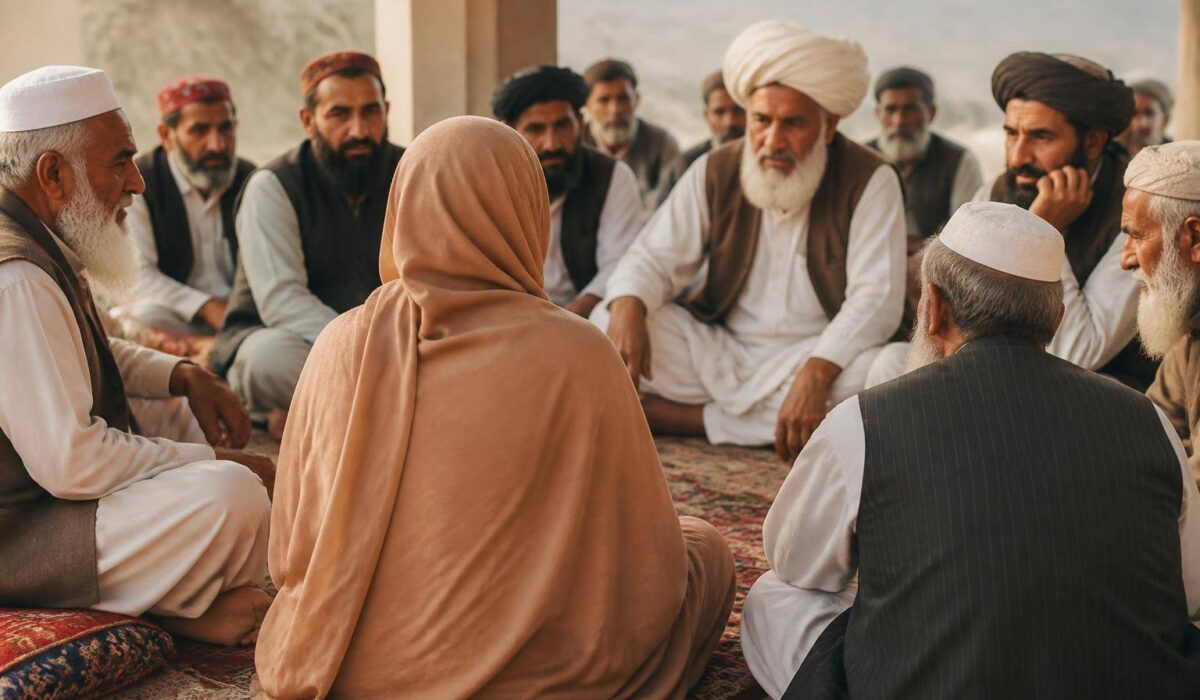
Razia Mehsud has achieved a historic milestone by becoming the first woman to join a jirga in Upper South Waziristan. This landmark appointment signifies a progressive shift towards women’s participation in traditional community decision-making processes, which have predominantly been male-dominated for generations.
A jirga is a traditional assembly where local elders and community leaders convene to discuss and resolve important issues affecting their communities. Razia’s inclusion in this council is not just a personal achievement; it represents a broader change in societal attitudes towards women’s roles in leadership and governance.
Significance of Razia Mehsud’s Appointment
Razia Mehsud’s entry into the jirga is being celebrated as a vital step for social inclusion and women’s empowerment in the region. Supporters argue that having women involved in community discussions can introduce new ideas and perspectives, ultimately benefiting families and future generations.
Changing Attitudes Towards Women in Leadership
Her appointment highlights the gradual transformation occurring within tribal communities, where increasing numbers of women are pursuing education, public service, and community development roles. This shift is paving the way for more opportunities for women to participate in leadership positions.
Impact on Community Decision-Making
Many believe that including women in local decision-making can lead to more effective solutions to social issues. This involvement can foster balanced discussions on critical topics such as education, healthcare, family welfare, and community development.
- Historic Achievement: First woman in a jirga in Upper South Waziristan.
- Community Impact: Aims to enhance women’s representation in local governance.
- Social Progress: Reflects changing attitudes towards women’s roles in society.
- Empowerment: Encourages other women to engage in leadership and public service.
Broader Implications for Women’s Rights
The attention garnered by Razia Mehsud’s appointment is indicative of a positive trend towards greater gender equality in Pakistan. Observers note that her role underscores the importance of inclusive governance and equal participation in building stronger, more resilient communities.
Encouraging Future Generations
Razia Mehsud’s historic role is expected to inspire other women in the region to pursue leadership opportunities and participate in traditional institutions. This could lead to a ripple effect, encouraging more women to engage in public service and community leadership roles.
As Razia Mehsud steps into her new role, her journey symbolizes hope and progress for many women across Pakistan. Her achievement not only marks a significant moment in the history of Upper South Waziristan but also serves as a beacon for future generations striving for equality and representation in all spheres of life.