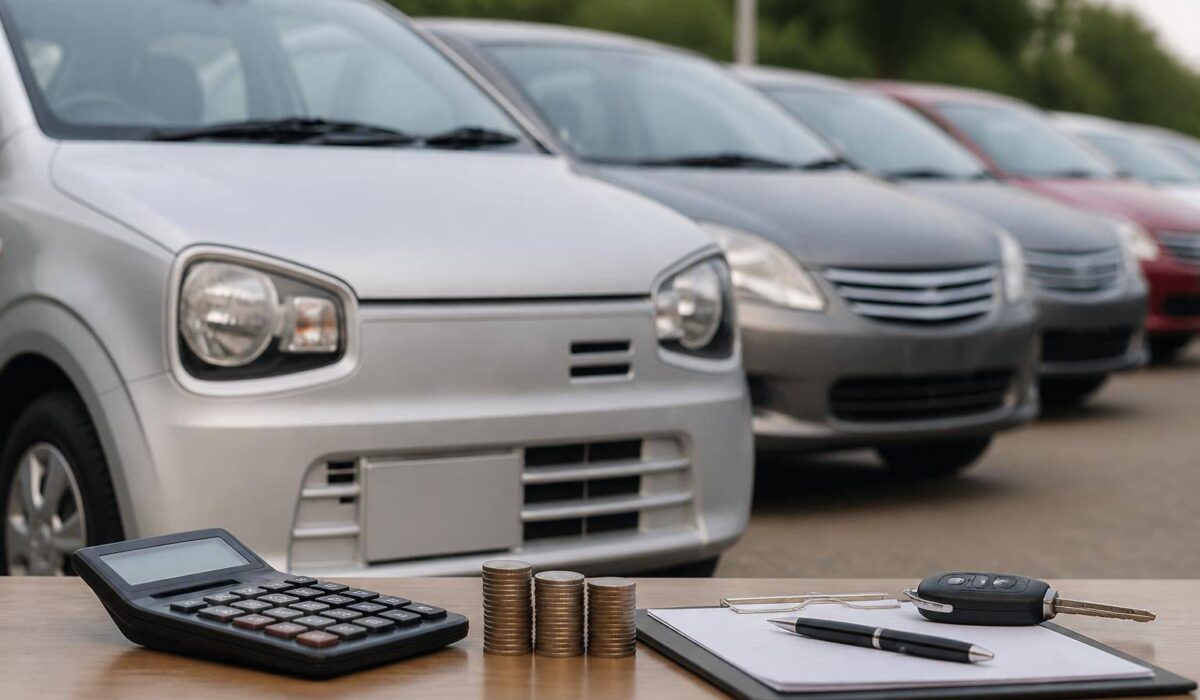
The federal government of Pakistan is currently in discussions with the International Monetary Fund (IMF) regarding a significant tax reform aimed at making vehicles more affordable for the public. The proposal seeks to reduce the sales tax on locally manufactured cars with engines up to 800cc from the current rate of 18% to 12.5%. This reduction of 5.5 percentage points could have a substantial impact on the automotive market, particularly for entry-level vehicles.
If approved, this tax cut could make popular models like the Suzuki Alto more accessible to middle-class families in Pakistan. The Suzuki Alto is known for being one of the most economical and fuel-efficient cars available, making it a preferred choice for many first-time car buyers. The potential decrease in price could encourage more families to consider purchasing their own vehicles, thereby increasing car ownership in the country.
Impact on the Automotive Industry
This proposed tax reduction is part of a broader strategy outlined in the upcoming Auto Policy, which is expected to be announced in August. The new policy aims to bolster local car manufacturing, attract foreign investments, and create job opportunities within the automotive sector. Additionally, it emphasizes the importance of enhancing vehicle safety standards and promoting electric and hybrid vehicles to foster a cleaner environment.
Government’s Rationale
The government believes that lowering taxes on small cars will stimulate sales and contribute positively to the economy. By making vehicles more affordable, the administration hopes to increase the number of cars on the road, which can lead to greater economic activity. However, initial discussions with the IMF raised some concerns, and negotiations are ongoing to finalize the details of this proposal.
Potential Benefits for Consumers
- Reduction in sales tax from 18% to 12.5% for cars under 800cc.
- Increased affordability of entry-level vehicles like the Suzuki Alto.
- Encouragement for middle-class families to purchase their first car.
- Support for local manufacturing and job creation in the automotive sector.
- Focus on improving vehicle safety and promoting eco-friendly options.
Challenges Ahead
While the proposal is promising, it faces challenges, particularly in securing the IMF’s approval. The discussions are crucial as they will determine whether the government can implement these changes without jeopardizing its financial commitments. The outcome of these negotiations will significantly influence the future of the automotive industry in Pakistan.
Future of the Auto Policy
The anticipated Auto Policy is expected to address various aspects of the automotive sector, including incentives for manufacturers and measures to enhance consumer protection. As the government works towards finalizing this policy, stakeholders in the industry are keenly observing the developments, hoping for a favorable outcome that benefits both manufacturers and consumers alike.
In summary, the proposed sales tax cut on cars under 800cc represents a significant step towards making car ownership more attainable for many Pakistanis. If successful, this initiative could reshape the automotive landscape in the country, fostering growth and innovation in the sector.