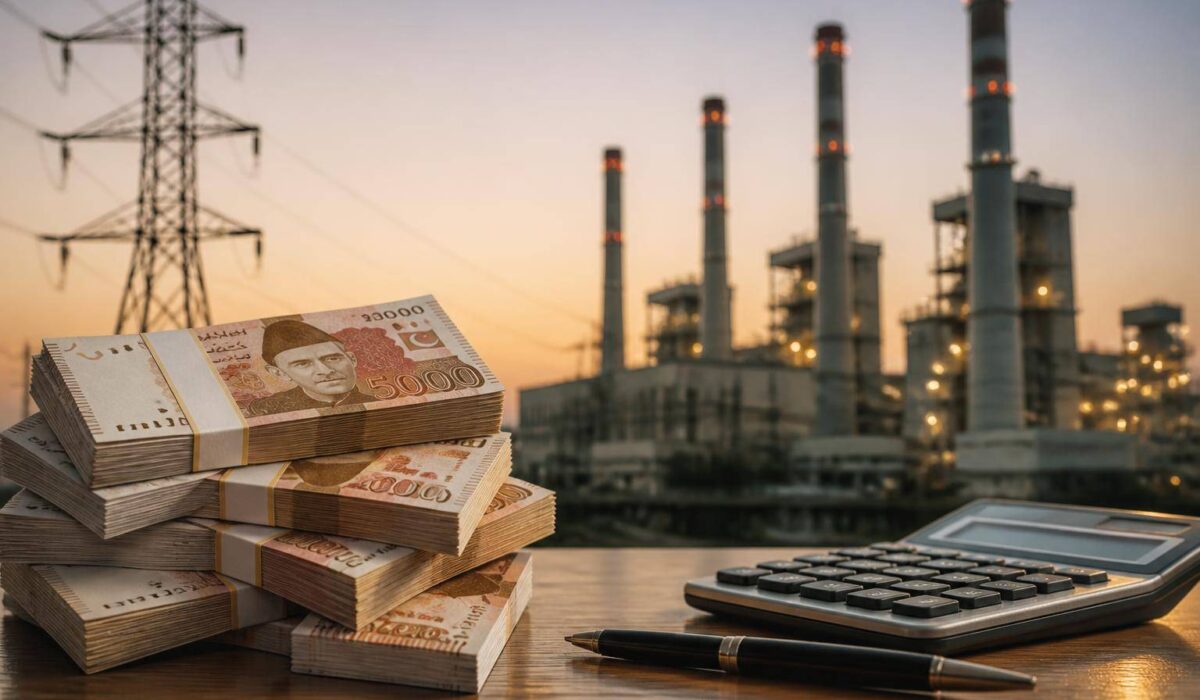
In a startling revelation, Pakistan has disbursed over Rs13.397 trillion to Independent Power Producers (IPPs) over the last five years. This amount includes payments to power plants that did not generate any electricity, highlighting a significant financial burden on the country’s electricity consumers. The data indicates that a substantial portion of these payments is tied to a capacity payment system that guarantees income to power producers regardless of their actual electricity output.
Approximately 70% of the revenue collected from electricity bills is allocated to IPPs, making these contractual payments a major contributor to the rising electricity tariffs in Pakistan. This situation raises questions about the sustainability and efficiency of the current energy sector management.
Understanding Capacity Payments
The capacity payment system in Pakistan ensures that IPPs receive guaranteed payments for being available to produce electricity, even if they are not called upon to generate power. This has resulted in a scenario where billions of rupees are paid to plants that remain idle, exacerbating the financial strain on consumers.
Breakdown of Payments to IPPs
Out of the total Rs13.397 trillion paid to IPPs, only Rs7.275 trillion was utilized for electricity actually supplied to the national grid. The remaining funds were primarily allocated for capacity payments. This discrepancy raises concerns about the effectiveness of the current energy pricing model, especially as the cost of generating electricity has decreased in recent years.
Impact on Consumers
The rising burden of fixed payments to IPPs has become a contentious issue in Pakistan’s energy sector. Households and businesses are facing high electricity bills despite a decline in power generation costs. The lack of a comprehensive overhaul of the capacity payment mechanism by the government has left consumers to bear the brunt of these financial obligations.
Operational Landscape of IPPs in Pakistan
Pakistan is home to around 90 to 100 operational IPPs, which operate under long-term Power Purchase Agreements (PPAs) with the government through the Central Power Purchasing Agency (CPPA-G). These agreements ensure fixed capacity charges for many producers, which has led to a situation where payments continue even when electricity is not dispatched to the grid.
Key Players in the IPP Sector
Some of the most prominent IPPs in Pakistan include:
- Hub Power Company (HUBCO)
- Nishat Power
- Engro Powergen
- Lalpir Power
- Atlas Power
- Kot Addu Power Company (KAPCO)
- Quaid-e-Azam Solar Park
Ownership of these IPPs is largely concentrated among influential domestic business groups and foreign investors, particularly from China. Some projects have also been associated with politically connected business interests, raising concerns about transparency and accountability in the sector.
Political Implications and Future Outlook
The financial dealings within the IPP sector have not only economic implications but also political ones. Reports indicate that several political figures, including relatives of prominent leaders, have stakes in these power projects, leading to potential conflicts of interest. As the government grapples with the rising costs of electricity and the need for reform, the future of the IPP sector remains uncertain.
Without a significant restructuring of the capacity payment system, consumers will likely continue to face high electricity tariffs, even as the cost of generating power decreases. The need for a transparent and efficient energy policy is more pressing than ever to alleviate the financial burden on the citizens of Pakistan.