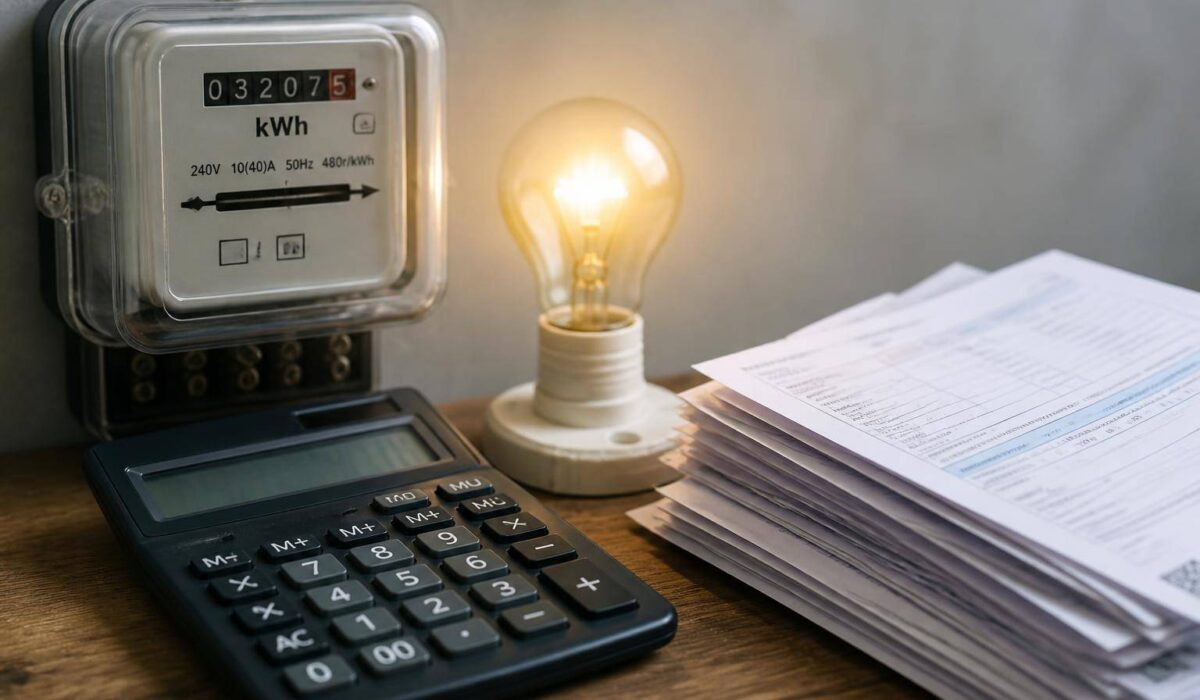
The Faisalabad Electric Supply Company (FESCO) has recently implemented a new policy that restricts bill corrections for protected-category consumers who exceed a consumption limit of 200 units. This decision has significant implications for many households that rely on this classification for subsidized electricity rates.
Under the new directive, FESCO has made it clear that any consumer classified as protected will not be eligible for bill corrections if their electricity usage surpasses the 200-unit threshold, even by a single unit. This policy aims to streamline billing processes but raises concerns about its impact on consumers.
Understanding the Protected Consumer Category
In Pakistan, the protected consumer category is designed to provide subsidized electricity rates to low-income households. These consumers typically benefit from lower tariffs, making electricity more affordable. However, the new restrictions mean that exceeding the 200-unit limit could lead to higher bills without the possibility of correction.
Details of the New Policy
- Restriction on Corrections: Bill corrections will not be permitted for any protected consumer exceeding 200 units.
- Implementation Date: The policy is effective immediately, as communicated to FESCO staff.
- Impact on Households: Many households may face unexpected financial burdens due to this new rule.
Implications for Consumers
This policy could have far-reaching consequences for consumers who may inadvertently exceed the unit limit. For many low-income families, even a small increase in electricity usage can lead to significant financial strain, especially if they are unable to correct their bills.
Moreover, the lack of flexibility in billing could discourage consumers from using electricity efficiently, as they may fear exceeding the limit and facing higher charges without recourse. This could lead to a cycle of financial distress for those already struggling to make ends meet.
FESCO’s Justification for the Policy
FESCO has stated that the new instructions are part of a broader effort to manage electricity consumption and ensure that subsidies are directed to those who genuinely need them. By limiting corrections, the company aims to reduce instances of misuse of the protected consumer classification.
Consumer Reactions and Concerns
Reactions from consumers have been mixed, with many expressing frustration over the lack of leniency in the new policy. Advocacy groups have raised concerns about the potential for increased hardship among low-income families, urging FESCO to reconsider its stance.
As the situation develops, it will be crucial for consumers to stay informed about their electricity usage and explore ways to manage their consumption effectively. Awareness campaigns and educational resources could help mitigate the impact of these restrictions.
In summary, FESCO’s new policy on bill corrections for protected consumers presents a significant challenge for many households. As electricity costs continue to rise, the implications of this decision will likely resonate throughout the community, highlighting the need for careful consideration of consumer welfare in utility policies.