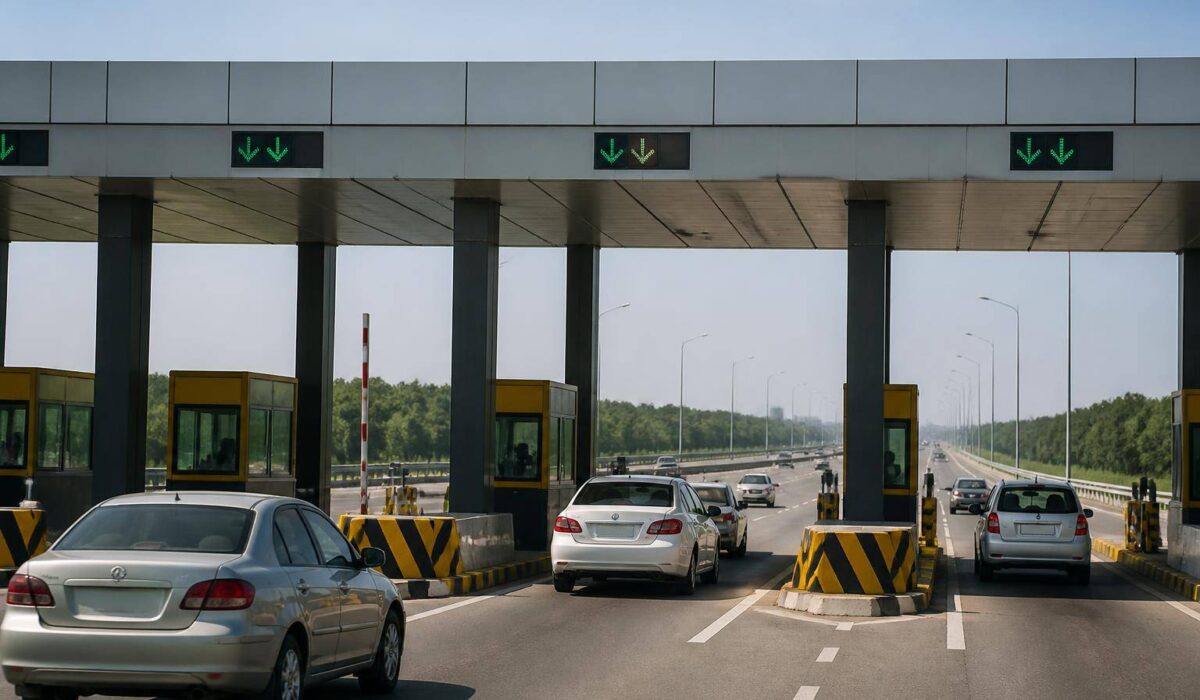
In a significant development for road travelers, the National Highway Authority (NHA) has announced a 7% increase in toll fees for the Lahore-Islamabad Motorway (M-2). This adjustment comes at a time when fuel prices are already straining the budgets of commuters and motorists, pushing many to consider shared rides or public transport options. The revised toll rates will take effect from July 5, 2026, impacting thousands of daily commuters and commercial transporters who rely on this critical corridor.
The toll hike is part of a concession agreement with Motorway Operations and Rehabilitation Engineering (Private) Limited (MORE), a subsidiary of the Frontier Works Organization (FWO). This agreement encompasses the overlay, rehabilitation, and modernization of the Lahore-Islamabad Motorway, highlighting the ongoing efforts to enhance infrastructure while balancing financial sustainability.
New Toll Fees for Various Vehicle Categories
Under the new toll structure, different vehicle categories will face varying charges. Here are the updated rates:
- Cars, Jeeps & Taxis: Rs1,430
- Wagons: Rs2,390
- Coasters: Rs3,350
- Buses: Rs4,770
- Two & Three Axle Trucks: Rs6,210
- Articulated Trucks: Rs7,980
This increase in toll fees will significantly affect the cost of travel for both personal and commercial vehicles, particularly for those who frequently traverse this busy route.
Per-Kilometre Toll Rates
The NHA has also set new per-kilometre toll rates, which are as follows:
- Cars, Jeeps & Taxis: Rs3.98
- Wagons: Rs6.68
- Coasters: Rs9.34
- Buses: Rs13.32
- Two & Three Axle Trucks: Rs17.33
- Articulated Trucks: Rs22.29
These rates reflect the ongoing adjustments in toll pricing, aimed at maintaining the motorway’s operational standards and ensuring safety for all users.
Implications for Commuters and Transporters
The toll fee increase is expected to have several implications for commuters and transporters. With the rising costs, many may reconsider their travel plans, opting for alternative routes or modes of transportation. This shift could lead to increased congestion on secondary roads, as drivers seek to avoid the higher tolls on the M-2.
Moreover, commercial transporters may pass on the increased costs to consumers, potentially leading to higher prices for goods and services. This could further strain household budgets already affected by rising fuel prices.
Advisory for Motorists
As the new toll rates come into effect, the NHA has advised motorists to review the updated charges before planning their journeys on the Lahore-Islamabad Motorway. The increased tolls will remain applicable until April 23, 2027, making it essential for travelers to factor these costs into their travel budgets.
The recent toll fee increase on the Lahore-Islamabad Motorway underscores the ongoing challenges faced by commuters in Pakistan, particularly in light of rising fuel costs. As the NHA continues to invest in infrastructure improvements, it is crucial for travelers to stay informed about these changes to make the best decisions for their travel needs.