The automotive industry in Pakistan is facing significant disruptions as hybrid vehicle manufacturers have halted production in response to a drastic increase in sales tax. The Federation of Pakistan Chambers of Commerce and Industry (FPCCI) has raised concerns over this tax hike, which has surged from 8.5 percent to 25 percent. This change came into effect after the expiration of tax concessions, leaving the industry in a state of uncertainty.
Adeel Siddiqui, a member of the FPCCI Executive Committee, has publicly demanded an immediate rollback of the sales tax increase. The lack of a new auto policy has exacerbated the situation, leading to a crisis that could have far-reaching implications for both manufacturers and consumers.
Impact of Sales Tax Increase on Hybrid Vehicles
The increase in sales tax on hybrid vehicles has raised alarms among stakeholders in the automotive sector. Hybrid vehicles, which are considered more environmentally friendly, have gained popularity in Pakistan due to their fuel efficiency and lower emissions compared to traditional vehicles. However, the steep tax hike could deter potential buyers and lead to a decline in sales.
FPCCI’s Response and Demands
The FPCCI has been vocal about the need for immediate government intervention. Adeel Siddiqui emphasized that the automotive sector is crucial for the economy and that the tax increase could lead to job losses and reduced investment in the industry. The FPCCI’s call for a rollback is aimed at stabilizing the market and ensuring the continued production of hybrid vehicles.
Current State of Hybrid Vehicle Production
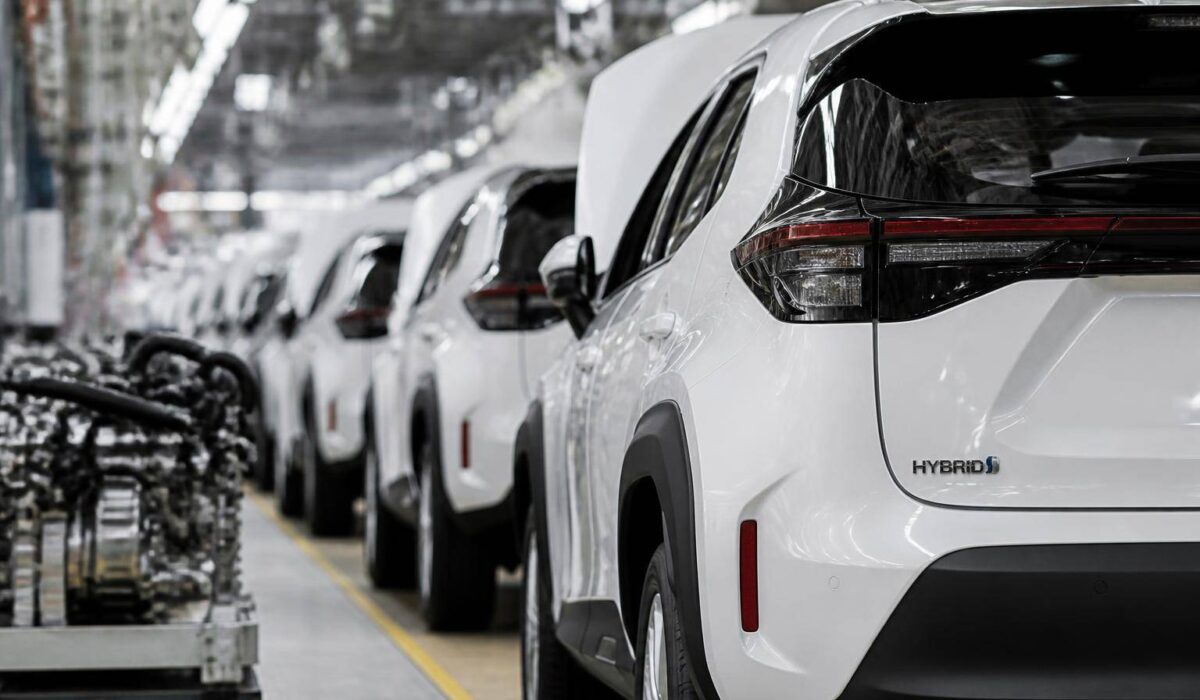
With production halted, several manufacturers are reassessing their operations. The uncertainty surrounding the tax regime has led to a freeze in production schedules, which could have a cascading effect on supply chains and employment. The automotive sector is already grappling with challenges such as rising costs and fluctuating demand, and the tax increase adds another layer of complexity.
Broader Implications for the Automotive Industry
The ramifications of this sales tax increase extend beyond just hybrid vehicles. The entire automotive industry in Pakistan could face significant challenges as manufacturers adjust to the new tax landscape. This situation may also affect the prices of vehicles, making them less accessible to consumers.
Government’s Role in Addressing the Crisis
The government plays a crucial role in shaping the future of the automotive industry. Stakeholders are urging the authorities to formulate a comprehensive auto policy that addresses the needs of manufacturers while promoting environmentally friendly vehicles. A balanced approach could help restore confidence in the market and encourage investment.
Key Takeaways
- Sales tax on hybrid vehicles increased from 8.5% to 25%.
- FPCCI demands an immediate rollback of the tax hike.
- Production of hybrid vehicles has been halted due to the tax increase.
- The automotive sector is crucial for Pakistan’s economy.
- Government intervention is necessary to stabilize the market.
The current situation highlights the need for a strategic approach to taxation and policy-making in the automotive sector. As stakeholders continue to voice their concerns, the hope is that the government will take prompt action to address the challenges faced by hybrid vehicle manufacturers and the broader automotive industry.