Karachi experienced significant traffic disruptions on Sunday as Jamaat-e-Islami (JI) organized protests against rising fuel prices. The authorities implemented fresh traffic restrictions, placing containers on major roads leading to the Sindh Chief Minister House, effectively blocking access to the Red Zone. This protest is part of a nationwide campaign initiated by JI to voice their concerns over escalating petroleum costs and related levies.
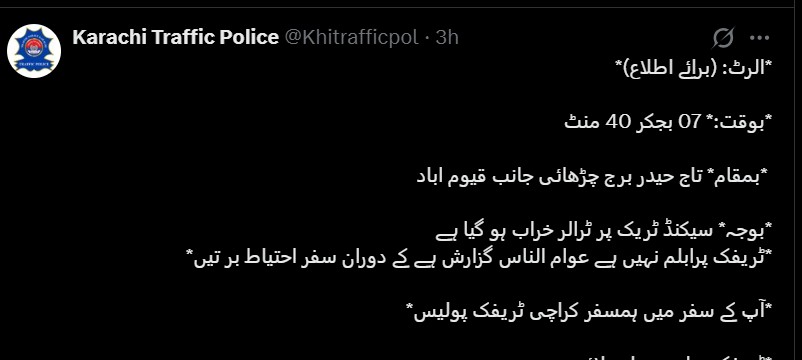
As the protests unfolded, traffic police were deployed to manage the situation, guiding commuters toward alternative routes. The closures primarily affected roads around the Sindh Chief Minister House, including key arteries such as Metropole and PIDC. Motorists were advised to avoid these blocked routes to minimize delays and congestion.
Overview of the Protest
The protest by Jamaat-e-Islami is part of a broader campaign against the government’s handling of fuel prices and the associated financial burden on the public. JI Emir Hafiz Naeemur Rehman announced the demonstrations, emphasizing that the party would persist in its protests until their demands were met. The protests are not limited to Karachi; sit-ins are also planned outside Chief Ministers’ Houses in other provincial capitals.
Key Details of the Protest
- Protests began on Sunday, affecting major routes in Karachi.
- Containers were placed at strategic locations to block access.
- JI demands reductions in fuel prices and electricity tariffs.
- Nationwide sit-ins planned in various provinces.
- Protests will continue until the government addresses their concerns.
Government Response
In response to the protests, Punjab Information and Culture Minister Azma Zahid Bukhari stated that the petroleum levy is a federal issue and not under the jurisdiction of the provincial government. She expressed concerns about the protests targeting provincial authorities for a matter controlled by the federal government. Bukhari criticized JI’s electoral performance and described the protests as an attempt to revive what she termed “dead politics.”
She also highlighted the provincial government’s initiatives aimed at supporting youth employment and urged students to pursue degrees with better job prospects. Bukhari emphasized the importance of providing equal opportunities for women in various professional fields and encouraged designers in the fashion industry to focus on affordability.
Implications for Commuters
With the ongoing protests and road closures, commuters in Karachi are facing significant challenges. The traffic restrictions are expected to remain in place until the protests conclude, prompting officials to advise careful planning of journeys. Motorists are encouraged to stay informed about the situation and seek alternative routes to avoid delays.
Future of the Protests
JI has indicated that there is no fixed deadline for ending the sit-ins, suggesting that the protests could continue indefinitely. The party has also initiated a social media campaign to raise awareness about the petroleum levy, urging supporters to voice their concerns online. This approach aims to amplify their message and garner public support against what they perceive as an unjust financial burden.
As the situation develops, it remains crucial for both the government and the protesting party to engage in dialogue to address the underlying issues. The rising cost of living and fuel prices are pressing concerns for many citizens, and effective communication may help alleviate tensions and lead to constructive solutions.