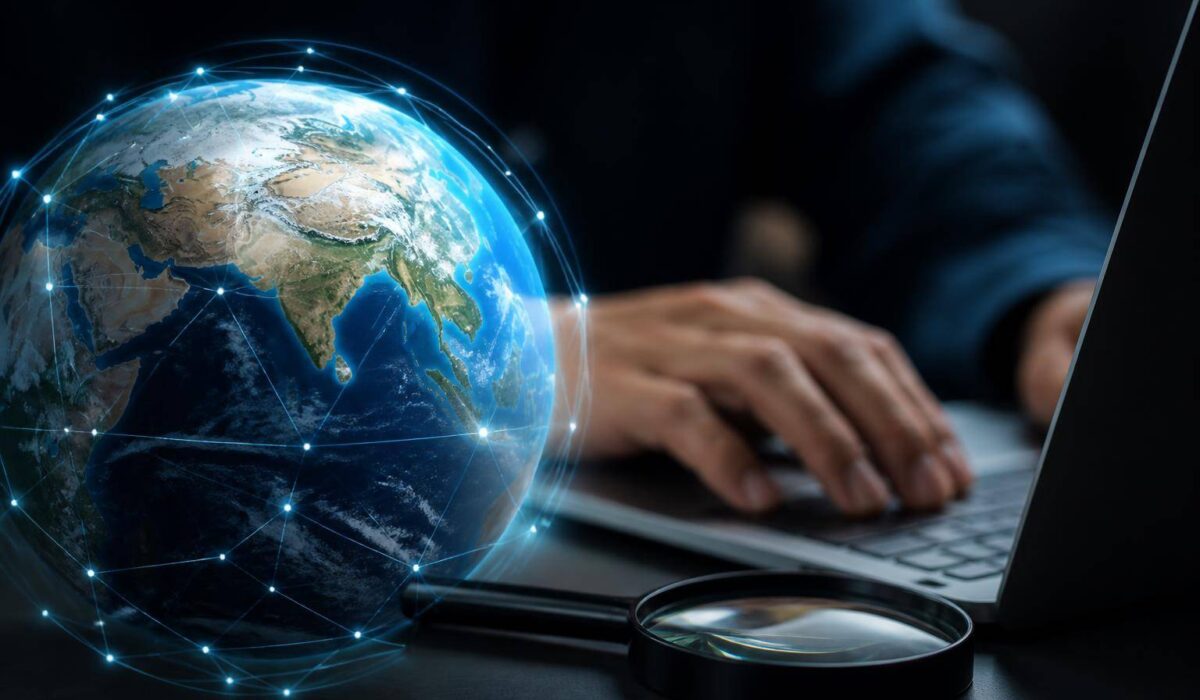
Google has recently unveiled an innovative feature for Google Earth that allows users to create artificial intelligence-generated visualizations based on satellite imagery. This new tool, named the “create image” feature, utilizes advanced technology from Nano Banana 2, enabling users to generate images that can enhance their exploration of the globe. However, this development has sparked significant concern among researchers and experts in open-source intelligence regarding the potential for misuse and the spread of disinformation.
The introduction of this AI tool comes at a time when the accuracy and reliability of information are more critical than ever. As digital platforms increasingly influence public perception and opinion, the ability to create convincing yet potentially misleading imagery raises ethical questions and challenges. The implications of this technology could be far-reaching, affecting everything from personal beliefs to global events.
Understanding the New AI Feature
The “create image” tool allows users to zoom into specific locations on Google Earth and generate images that may not accurately represent reality. By leveraging AI, the tool can produce visualizations that are highly detailed and realistic, which poses a risk of being mistaken for genuine satellite imagery. This capability could be used for various purposes, including educational projects, creative endeavors, or even malicious intents.
Concerns from Experts
Researchers and open-source intelligence experts have expressed their apprehensions regarding the potential for this tool to contribute to the spread of misinformation. The ability to create realistic images can be exploited to fabricate events or manipulate public perception. As misinformation campaigns become more sophisticated, tools like this could facilitate the creation of fake news, leading to confusion and distrust among the public.
Potential Applications and Misuses
While the AI tool can serve beneficial purposes, such as enhancing educational content or aiding in urban planning, its potential for misuse cannot be overlooked. Some possible applications include:
- Creating misleading images for propaganda.
- Fabricating evidence in political disputes.
- Manipulating public opinion during elections.
- Generating false narratives in social media campaigns.
These scenarios highlight the dual-edged nature of technological advancements, where innovation can be both a tool for progress and a weapon for deception.
The Role of Regulation and Responsibility
As technology continues to evolve, the need for regulations and ethical guidelines becomes increasingly important. Stakeholders, including tech companies, governments, and civil society, must collaborate to establish frameworks that mitigate the risks associated with AI-generated content. This includes implementing measures to verify the authenticity of images and educating users about the potential for manipulation.
Public Awareness and Education
Raising public awareness about the capabilities and limitations of AI tools is essential in combating misinformation. Users should be equipped with the knowledge to critically evaluate the content they encounter online. Educational initiatives can help foster a more informed society that is less susceptible to deception.
In conclusion, while Google Earth’s new AI tool offers exciting possibilities for visualization and exploration, it also presents significant challenges related to misinformation. As users embrace these advancements, it is crucial to remain vigilant and proactive in addressing the ethical implications they bring.