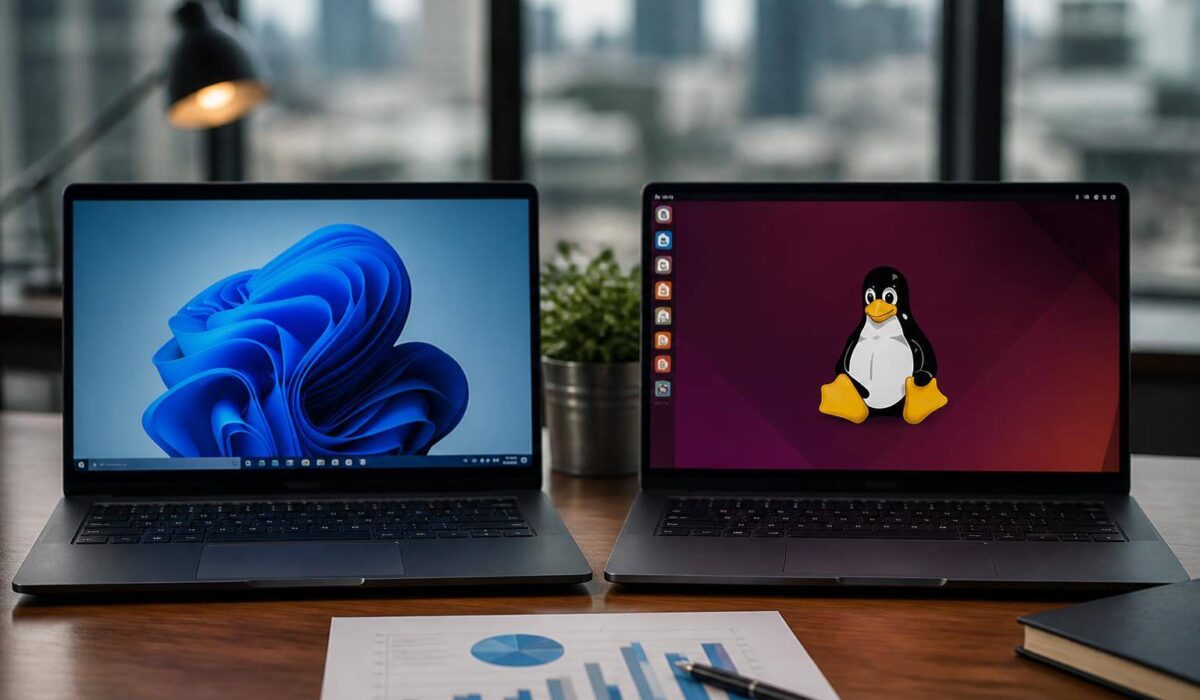
In a notable shift within the technology landscape, Microsoft’s Windows operating system has seen its market share dip below 60% for the first time in several years. This change comes as Linux continues to gain traction among users, reflecting evolving preferences in desktop operating systems. According to recent data from StatCounter for June 2026, Windows now accounts for 56.55% of global desktop OS usage.
This decline in Windows’ dominance is significant, as it highlights a growing trend towards alternative operating systems, particularly Linux. The rise of Linux can be attributed to various factors, including its open-source nature, security features, and increasing support from developers and businesses alike.
Current Market Share Statistics
The latest figures reveal a clear trend in desktop operating system usage:
- Windows: 56.55%
- Linux: Gaining ground, with specific figures yet to be detailed.
- Other Operating Systems: The remaining market share is distributed among various other systems.
Factors Contributing to Linux’s Growth
Several factors contribute to the increasing popularity of Linux:
- Cost-Effectiveness: Being open-source, Linux is free to use, making it an attractive option for budget-conscious users.
- Security: Linux is often perceived as more secure than Windows, which is a significant consideration for both individual and corporate users.
- Customization: Users appreciate the flexibility and customization options that Linux offers, allowing them to tailor their operating systems to their specific needs.
- Community Support: A robust community of developers and users provides extensive support and resources for Linux users.
Implications for Microsoft
The decline in Windows’ market share poses challenges for Microsoft. As competition intensifies, the company may need to innovate and enhance its offerings to retain users. This shift could lead to increased investment in security, user experience, and new features to attract and maintain a loyal customer base.
The Future of Desktop Operating Systems
The changing dynamics in the desktop operating system market suggest a more competitive landscape moving forward. As Linux continues to gain users, it may push other operating systems to adapt and evolve. This could lead to a broader acceptance of alternative systems, fostering innovation and diversity in the technology sector.
The recent drop in Windows’ market share below 60% is a significant milestone in the tech industry, indicating a shift towards Linux and other operating systems. As users increasingly seek alternatives that offer security, customization, and cost-effectiveness, the landscape of desktop operating systems is likely to continue evolving. Microsoft will need to respond strategically to maintain its position in this competitive environment.