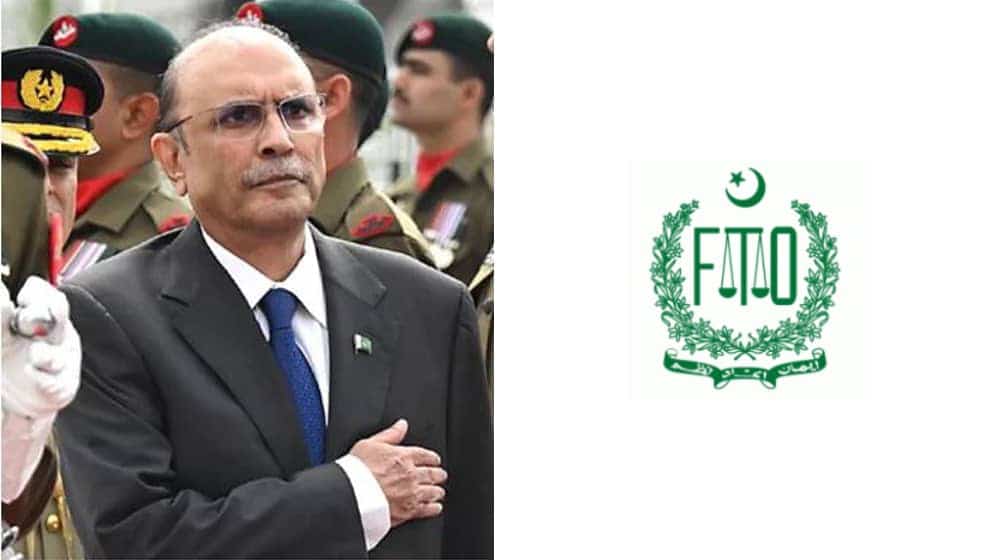
The Judicial Activism Panel (JAP) has raised concerns regarding the appointment process of Zafar-ul-Haq Hijazi as Pakistan’s Federal Tax Ombudsman (FTO). The panel is demanding a thorough explanation from President Asif Ali Zardari and the Ministry of Law and Justice, invoking the constitutional right to information. This call for transparency highlights the importance of merit-based appointments in significant public offices.
JAP Chairman Muhammad Azhar Siddique, an Advocate of the Supreme Court, has submitted a detailed questionnaire under Article 19-A of the Constitution and the Right of Access to Information law. The panel argues that the FTO position holds considerable power, akin to that of a Supreme Court judge, necessitating a transparent and meritocratic selection process.
Concerns Over Non-Transparent Appointments
The JAP contends that the appointment of the Federal Tax Ombudsman should not be shrouded in secrecy. They emphasize that such a critical public office must be filled through an open and advertised selection process. The panel’s stance is that transparency is crucial, especially for positions that wield significant authority over public trust and accountability.
Legal Precedents Supporting Transparency
In its argument, the JAP references a Supreme Court judgment from 2022, which asserted that all public appointments are a “sacred trust” and must adhere to a fair and transparent process. This ruling underlines the necessity for merit-based appointments, particularly for salaried statutory roles like the FTO.
Additionally, the panel cites various Supreme Court rulings, including PLD 2024 SC 1276 and 2023 SCMR 1932, which advocate for merit and transparency in public appointments. These legal precedents reinforce the JAP’s call for adherence to established standards in the appointment process.
International Obligations and Comparative Legal Principles
The JAP has also drawn attention to international legal obligations, referencing the UN Convention Against Corruption (UNCAC) and the International Covenant on Civil and Political Rights (ICCPR). These frameworks emphasize the need for transparency and accountability in public office appointments, aligning with the panel’s demands.
Information Requested by the Judicial Activism Panel
The JAP has outlined specific information it seeks regarding the appointment of the FTO. This includes:
- Certified copies of any public advertisement for the position
- Total number of applications or nominations received
- List of candidates considered for the role
- Shortlisting criteria used in the selection process
- Details and minutes from any Search or Selection Committee meetings
- Official summary and file notings leading to the appointment
- Appointment notification and oath of office details
- Mechanisms in place to address potential conflicts of interest
Call for Future Appointments to be Transparent
The JAP has requested that the information be made available within ten days and has urged the government to publish the complete appointment record publicly. Furthermore, the panel advocates for a commitment to ensuring that future appointments to senior statutory offices are conducted through open, advertised, and competitive selection processes.
This demand for transparency in the appointment of the Federal Tax Ombudsman reflects broader concerns about governance and accountability in Pakistan. As public trust in institutions is paramount, the JAP’s efforts to challenge opaque processes are crucial for fostering a more transparent and accountable government.